rachel gordon
sparkle

1class ContactInformationCard:
2 def __init__(self):
3 self.dept = "cs @ uchicago"
4 self.lab = "globus labs @ jcl 399"
5 self.email = "rachelgordon@uchicago.edu"
6 self.phone = "+1 (614) 940-4325"
7
8 def flipCard(self):
9 print("tap on the card to flip.")
10
11 def closeCard(self):
12 print("tap outside to close it.")

rachel gordon

rachelngordon.github.io

rachel gordon

I am a Computer Science PhD student at the University of Chicago, where I am a member of Globus Labs, led by Prof. Ian Foster and Dr. Kyle Chard.

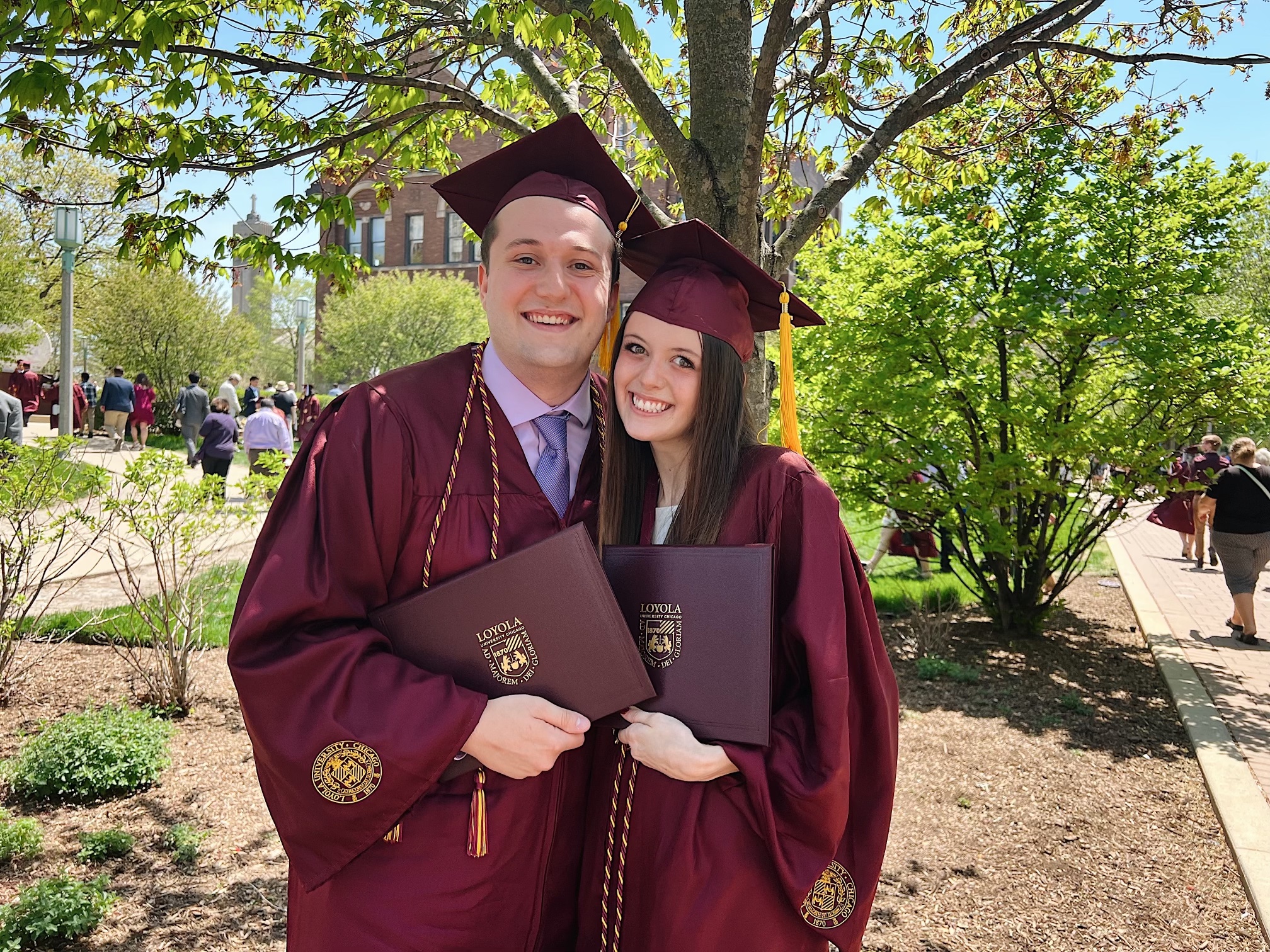
Before pursuing my PhD, I earned an MS in Data Science from Loyola University Chicago, where I completed my Master's thesis under the supervision of Dr. Mohammed Abuhamad. I defended my work on enhanced CT-to-MRI synthesis for high-dose-rate brachytherapy treatment planning with distinction.

My research focuses on leveraging machine learning to improve the quality and accessibility of healthcare. I develop deep learning models for medical imaging tasks such as image synthesis, reconstruction, segmentation, and enhancement, with applications in CT, MRI, and related modalities.

Computer Vision for Healthcare: MRI reconstruction, CT-to-MRI synthesis, tumor segmentation
Machine Learning for Medicine: image synthesis, reconstruction, enhancement, clinical AI

📜 updates

  • May 2026 I successfully passed my qualifying exam!
  • January 2026 I was awarded funding through the UChicago Data Science Institute's AI+Science Research Initiative to support my work on undersampled MRI reconstruction.
  • September 2025 My undergraduate student, Edwin Ma, presented his work, "Slice-Aware Attention for Quality Control of Breast MRI Segmentations" at the eScience poster session.
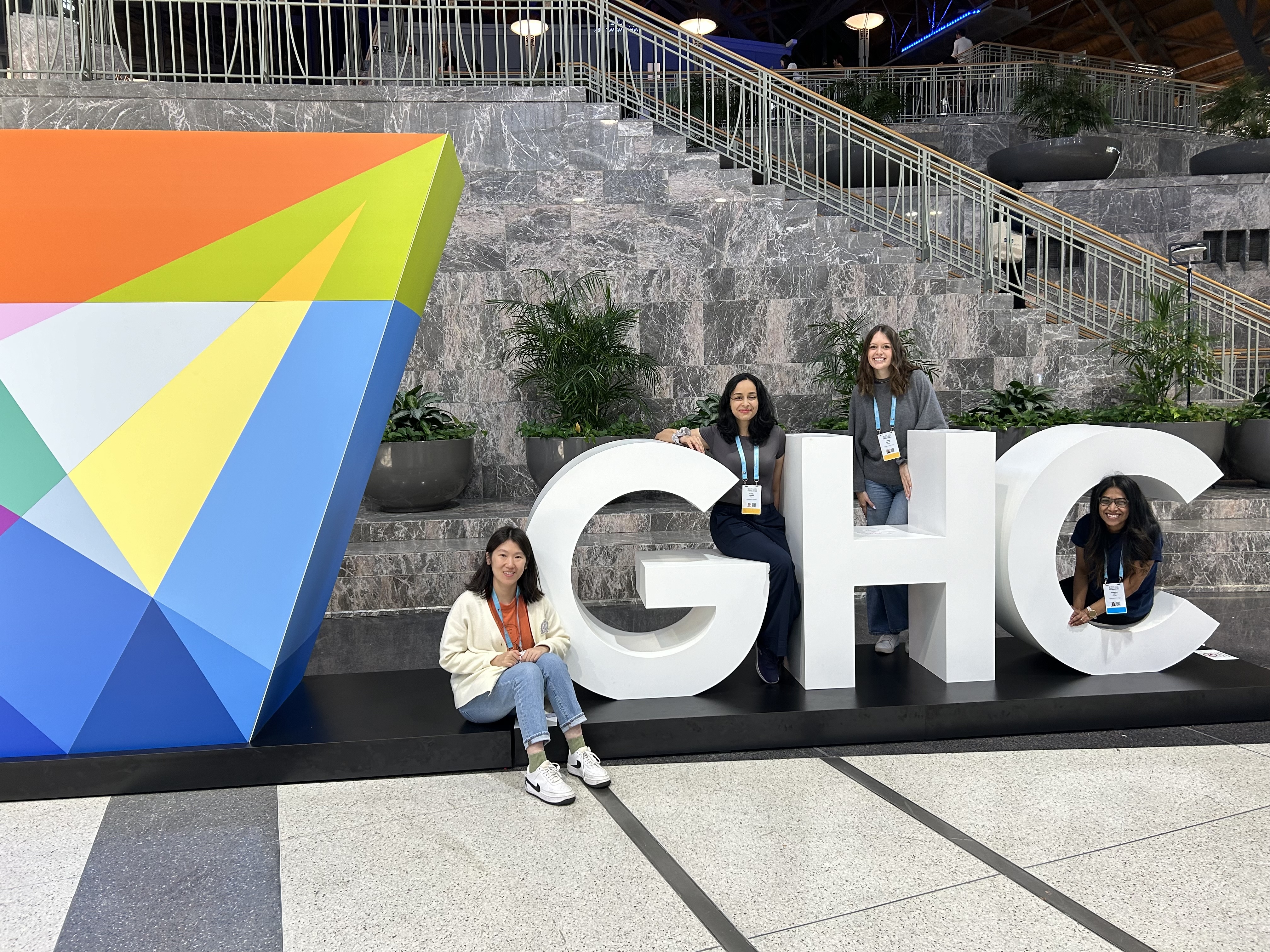
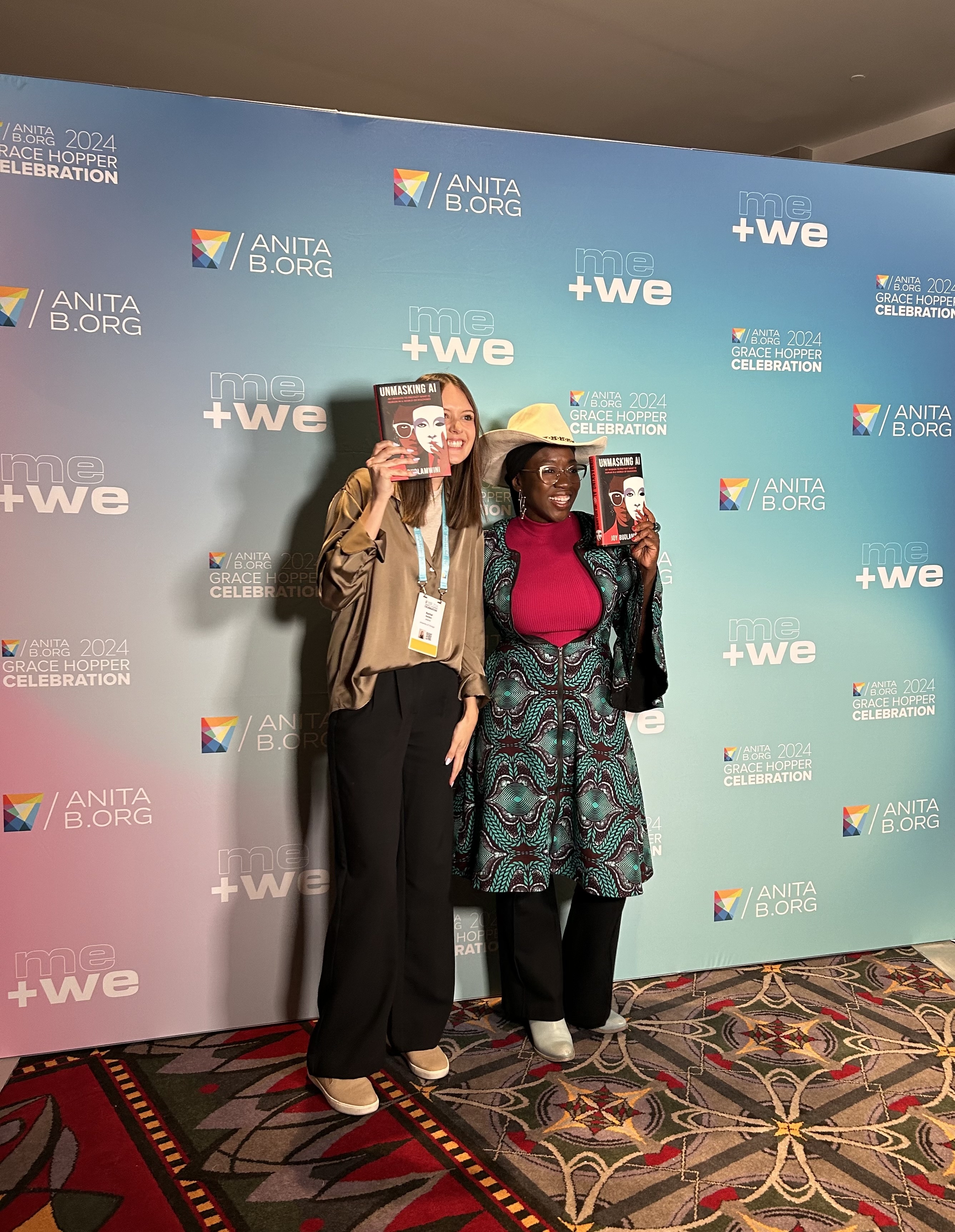
  • October 2024 I attended the Grace Hopper Celebration in Philadelphia with fellow students from UChicago.
  • August 2024 I began my Computer Science PhD at the University of Chicago and joined Globus Labs.


📚 publications

BRISKNet: Breast Rapid Imaging via Self-Supervised Kinetics
Current research
Rachel Gordon, Michael Maire, Gregory Karczmar, Zhen Ren, Milica Medved, Eddy Solomon, Laura Heacock, Olufunmilayo Olopade, Ian Foster, Kyle Chard, Anna Woodard.

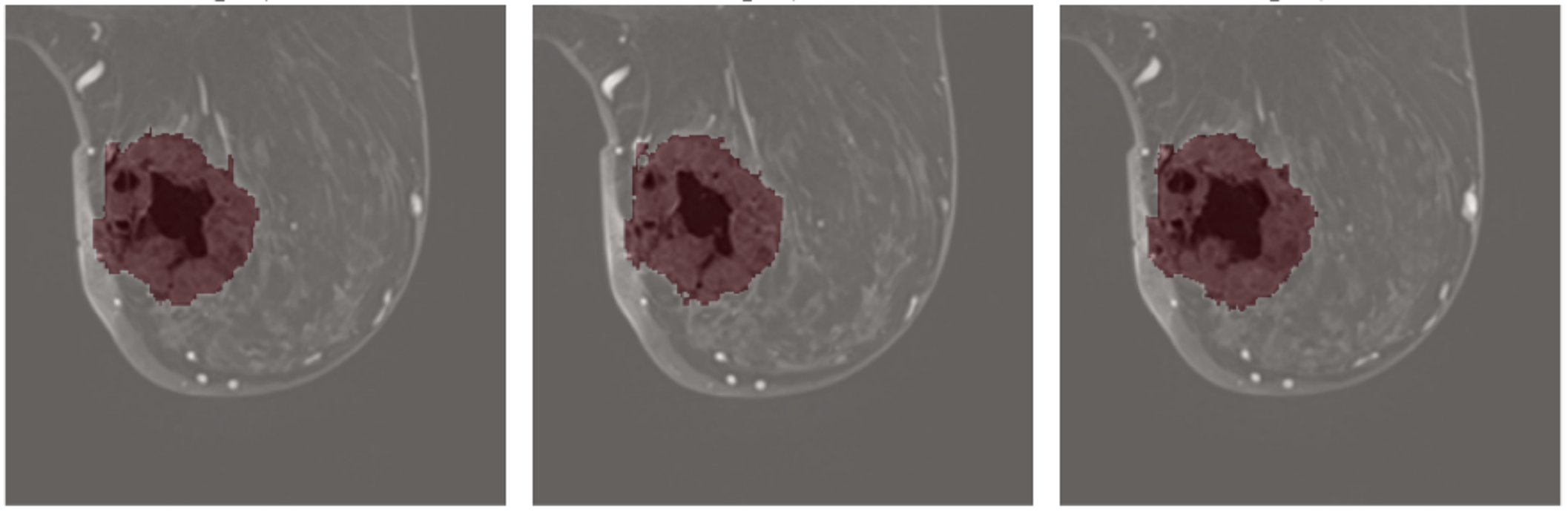
Abstract: Dynamic contrast-enhanced (DCE) breast MRI captures tumor vascularity through contrast kinetics, but clinical protocols face a fundamental trade-off between temporal resolution and spatial quality. Supervised deep learning reconstruction is inadequate because fully-sampled ground truth is impossible to obtain in dynamic MRI; undersampling is inherent to achieving clinically useful frame rates. This project develops an unsupervised, physics-informed reconstruction framework for multi-coil radial breast DCE-MRI that adapts an unrolled optimization network within a spatiotemporally equivariant training framework. ... See More

Slice-Aware Attention for Quality Control of Breast MRI Segmentations
IEEE International Conference on e-Science and Grid Computing, 2025
Edwin Ma, Rachel Gordon, Anna Woodard, Ian Foster, Kyle Chard.
[PDF]
Abstract: Quality control (QC) is essential for ensuring the reliability of automated tumor segmentations in breast magnetic resonance imaging (MRI), which are increasingly used in both clinical and research workflows. Manual QC by experts is subjective, time-consuming, and unscalable, highlighting the need for automated solutions. In this work, we propose a 2D convolutional neural network (CNN) with attention-based slice aggregation to classify the quality of tumor segmentations in breast MRI. Leveraging the large-scale, expert-annotated MAMA-MIA dataset, our method processes 2D slices as 2-channel inputs (image and segmentation) and learns to weight their contribution using an attention mechanism for volume-level classification. Our best-performing configuration (attention + augmentation) achieved 64% accuracy, 0.58 F1, and 0.67 AUC, outperforming other settings. These findings show that augmentation and attention are complementary; augmentation increases slice-level diversity, while attention helps identify informative slices among mostly uninformative ones. While performance was moderate, the results establish a baseline for scalable QC in breast MRI, with considerable potential for improvement through enhanced architectures, richer augmentations, and integration with 3D context. ... See More
CT-to-MRI Synthesis for High-dose-rate Brachytherapy Treatment Planning
GAN-CM: CT-to-MRI Synthesis for High-dose-rate Brachytherapy Treatment Planning
Master's Thesis, Loyola University Chicago, 2024
Rachel Gordon, Hyejoo Kang, Alexander R. Podgorsak, Mohammed Abuhamad.
[PDF] | [CODE] | [SLIDES]
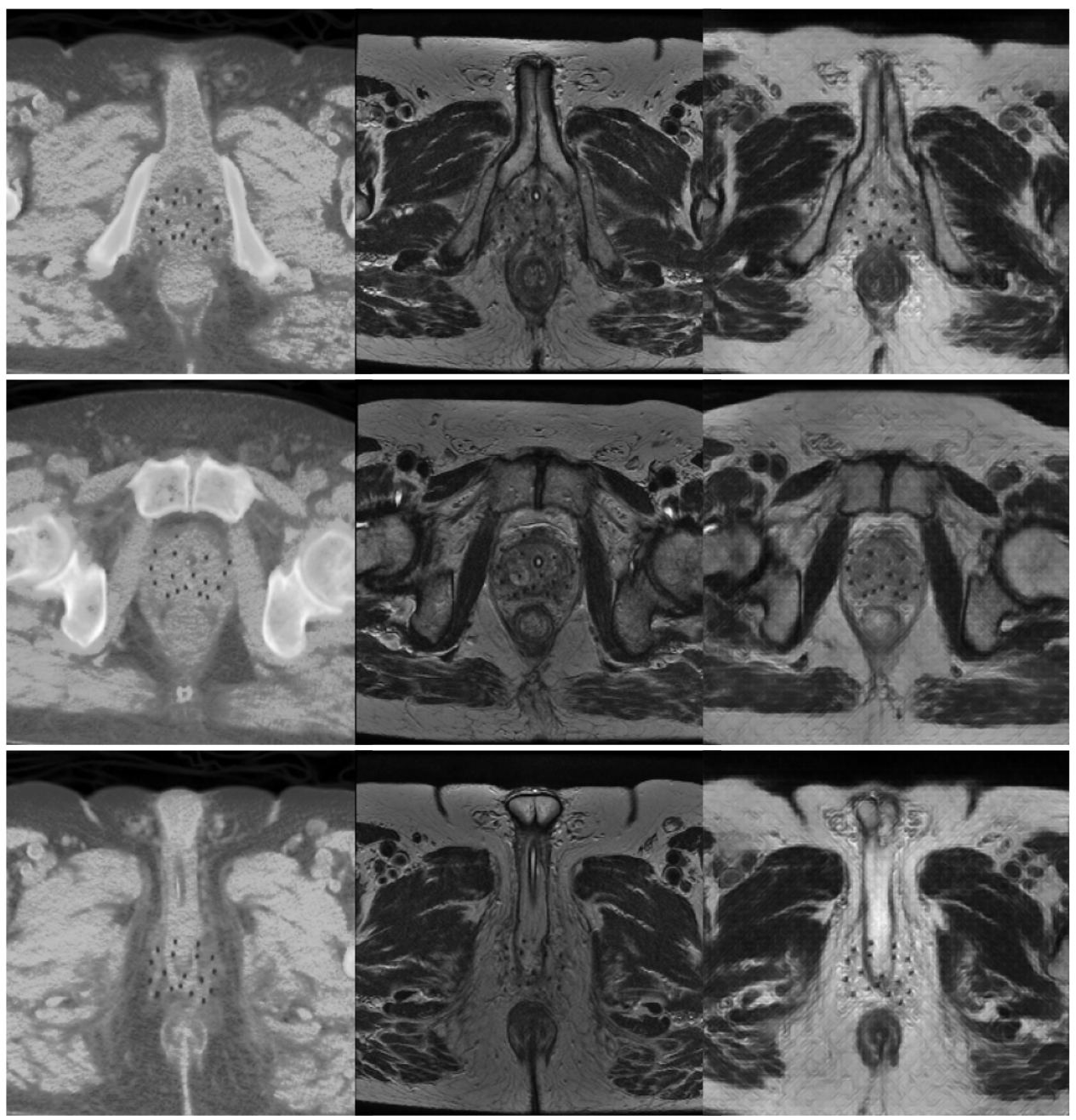
Abstract: High-dose-rate (HDR) brachytherapy is a radiation treatment modality that places radioactive sources directly in cancerous regions. Radiation treatment planning for HDR prostate brachytherapy utilizes both CT and MRI to visualize the path of the radioactive source and the prostate gland, respectively. This work proposes GAN-CM, a conditional CT-to-MRI translation method based on generative adversarial networks. The generator incorporates semantic masks from the domain image to better capture anatomical detail and tissue characteristics in CT scans, improving MRI synthesis for clinically paired prostate cancer treatment planning data. ... See More
Identification and Analysis of the Spread of {Mis}information on Social Media
Computational Data and Social Networks (CSoNet), 2023
Muhammad T. Khan, Rachel Gordon, Nimra Khan, Madeline Moran, Mohammed Abuhamad, Loretta Stalans, Jeffrey Huntsinger, Jennifer Forestal, Eric Chan-Tin.
[PDF] | [SLIDES]
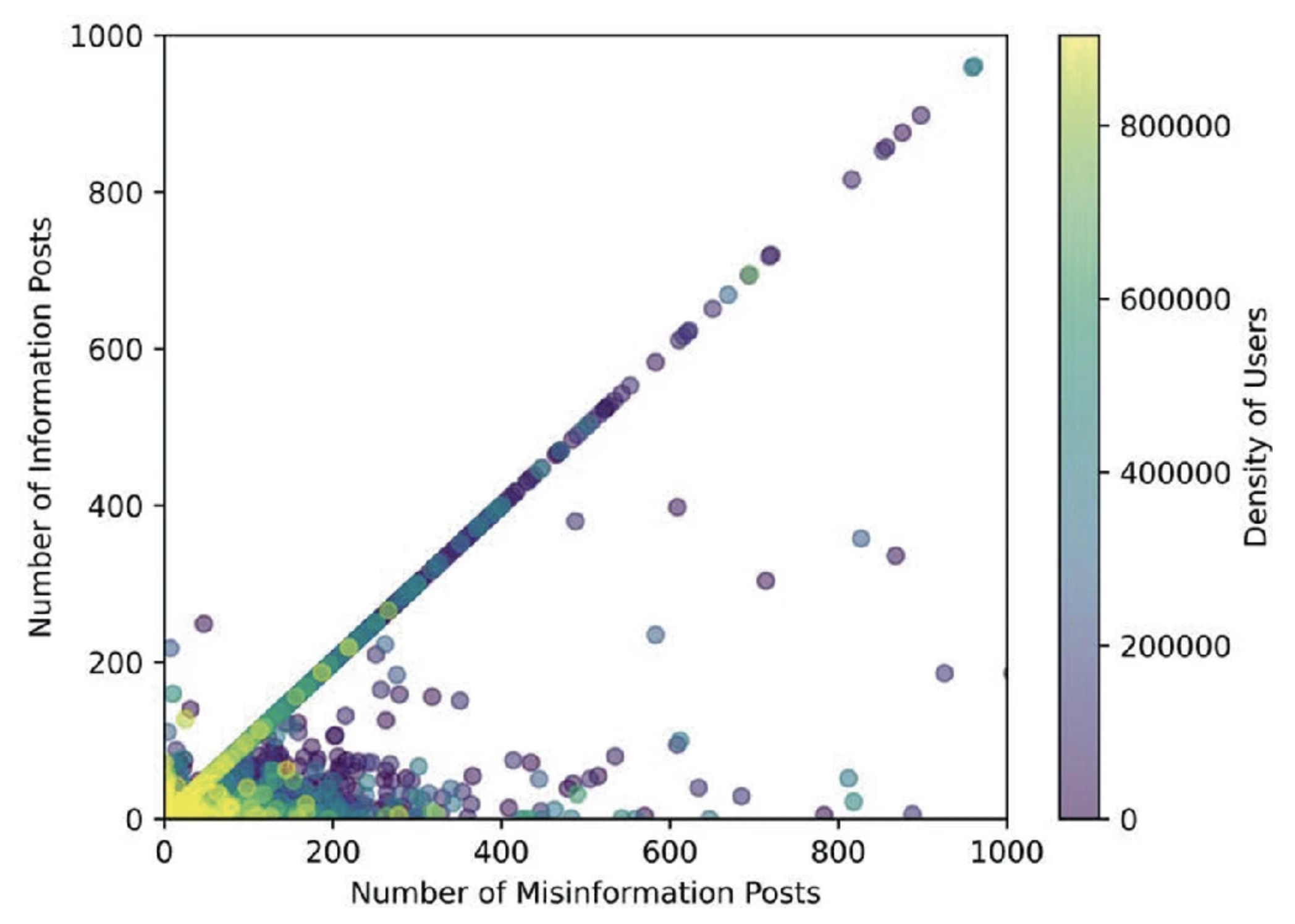
Abstract: This work studies misinformation spread on X, previously Twitter, using quantitative social network analysis and a BERT-based model for misinformation classification. Posts, users, and follower networks were collected from COVID-19-related hashtags, processed, and manually labeled. The analysis tracks misinformation spread during 2021 and studies how information and misinformation communities interact. The model achieved 86% accuracy in classifying tweets as information or misinformation. ... See More


🧩 outreach activities

Graduate Women in Computer Science Co-chair
University of Chicago
Rachel Gordon

Description: Co-chair for Graduate Women in Computer Science at the University of Chicago during the 2024-2025 school year, supporting community and programming for graduate students in computing.